Table of Contents
On the spiritual side, I gravitate toward the concept that consciousness itself is fundamental to the universe; that there is no dualism or that dualism of consciousness is the "grand cosmic dance and illusion".
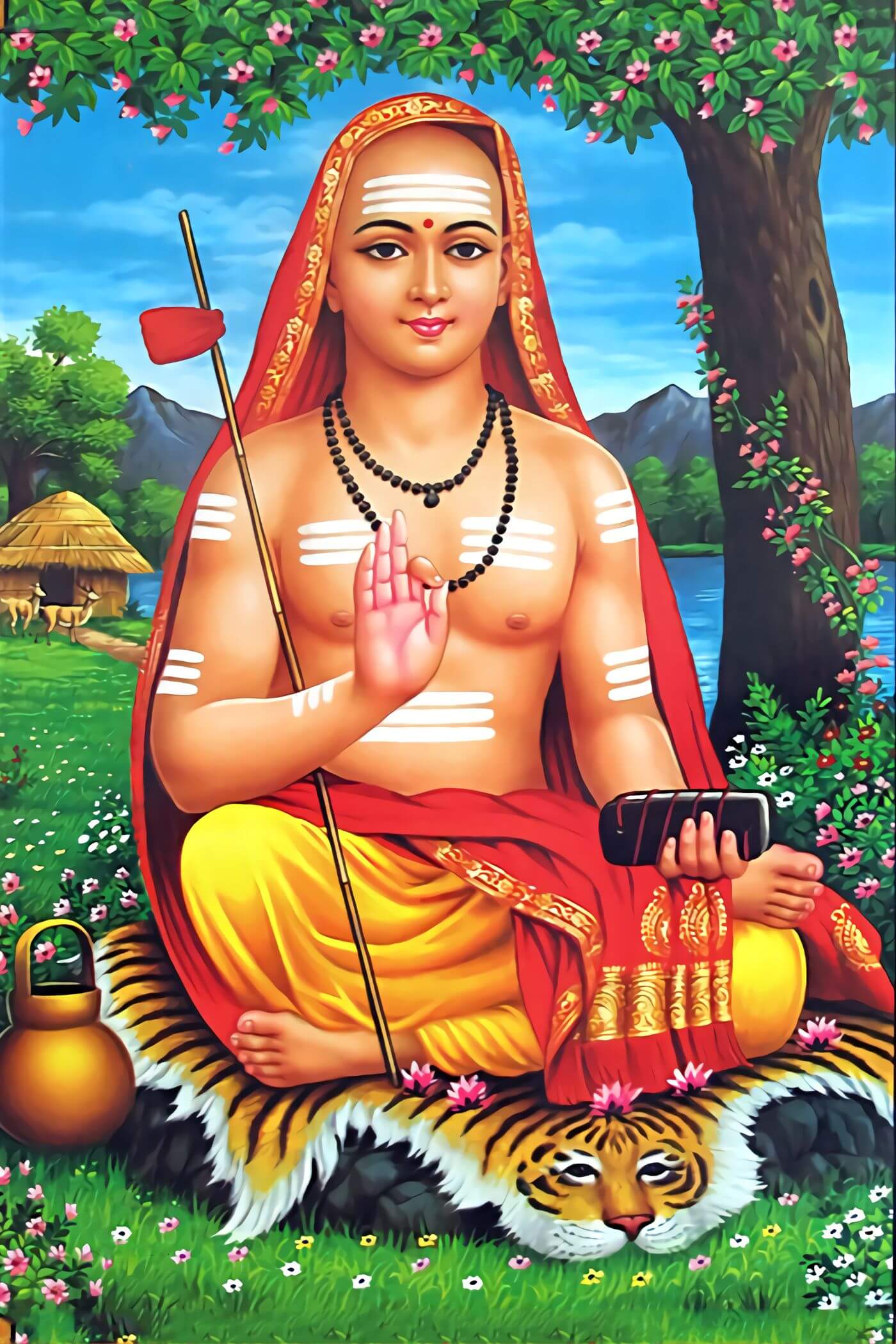
This eventually led me to Advaita Vedanta or the non-dualism of Shankara, which expanded my spiritual horizons beyond the Christianity of my childhood. During that same period in my life, I did a little study of Buddhism and Taoism.
Rumi and Lalleshwari are two of my favorite mystical poets.
More recently, I've discovered the writings and transcriptions of Nisargadatta.
Here is an AI query regarding his phrase "yogic illusion":
In the context of Nisargadatta Maharaj's teachings, the phrase "yogic illusion" refers to the misunderstanding or misconception that arises from spiritual practices (yoga) when they are pursued with an attachment to their results or with a misunderstanding of their ultimate purpose.
Nisargadatta often emphasized the direct realization of one's true nature, beyond the mind and beyond all concepts, including those introduced by spiritual practices. For him, the ultimate goal of spirituality is the realization of the Self, the pure awareness that is beyond all forms and identities.
"Yogic illusion" can be understood in a few key ways:
Attachment to Spiritual Practices: When practitioners become overly attached to the practices themselves, such as meditation, asanas, or breathing exercises, they may mistake these practices for the ultimate goal. This attachment can create a kind of illusion where the practice becomes an end in itself rather than a means to transcend the ego and realize the Self.
Misidentification with Experiences: Spiritual practices often lead to extraordinary experiences or states of consciousness, such as bliss, visions, or a sense of unity. While these experiences can be significant, Nisargadatta warned against mistaking these temporary states for the ultimate reality. This misidentification with experiences is another form of "yogic illusion."
Conceptualization of the Absolute: Spiritual seekers might create mental concepts about enlightenment, the Self, or the Absolute based on their practices. These concepts can become a subtle trap, where the mind holds onto an idea of what liberation should be, rather than directly realizing it. In this sense, "yogic illusion" refers to the mental constructs that veil the direct experience of truth.
In summary, "yogic illusion" in Nisargadatta's teachings points to the pitfalls on the spiritual path where practices, experiences, or concepts can become obstacles if they reinforce the ego or divert attention from the direct realization of one's true nature.
If I were to list my gurus in no particular order, I would say
I think we live in an age of rampant materialism, and that includes me although I have been reducing it.
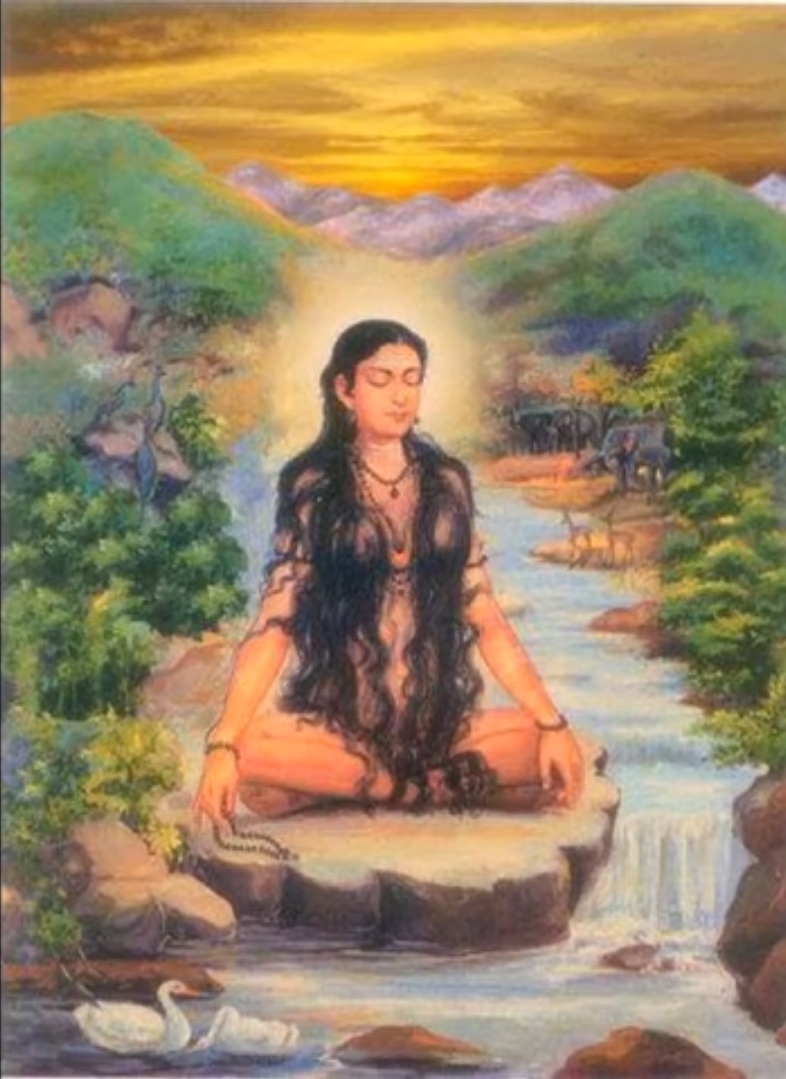
English translation of some mystical writings by Lalleshwari, also known as Lal Ded or just Lalla.
A web search says "Lalleshwari, also known as Lal Ded, was a 14th-century Kashmiri mystic poet and a revered figure in the Kashmiri Shaivite tradition. The quote "The Beloved woke, and the Lake is crystal clear" is attributed to her. It symbolizes the awakening of the divine within oneself, leading to clarity and purity of perception. The "Beloved" refers to the divine or the ultimate reality, and the "Lake" represents the mind or consciousness. When the Beloved awakens within, the mind becomes clear and serene, like a crystal-clear lake reflecting the beauty of the divine. This quote encapsulates Lal Ded's spiritual teachings, emphasizing the inner journey towards self-realization and union with the divine."
Below is a painting of her in deep meditation.
Ramakrishna -- The statement "God distinguishes the unreal from the unreal" is attributed to Sri Ramakrishna Paramahamsa (Paramahansa), a prominent Indian mystic and spiritual teacher of the 19th century. It reflects his teachings on the nature of reality and illusion. Sri Ramakrishna often emphasized the importance of discerning between what is transient and ultimately unreal, such as the material world, and what is eternally real, such as the divine essence or the soul. This statement highlights the idea that only through divine realization can one truly discern between the different levels of illusion and ultimately attain spiritual liberation.
https://en.wikipedia.org/wiki/Ramana_Maharshi

You can do your own search, of course. Here's one of many places to start.